
SPOILER ALERT!
Enter A New Period Of Cataract Surgery, Where Expert System Lets Loose Unmatched Improvements In Accuracy And Customized Therapy, Redefining The Boundaries Of Medical Innovation
Short Article Writer-Langley Lamm
When it pertains to boosting sophisticated cataract surgery end results, artificial intelligence is a game-changer. Think of a scenario where elaborate data evaluation and real-time support could possibly reinvent the field of ophthalmology. The function of AI in cataract surgery goes beyond simple aid; it sets the stage for a brand-new era of precision and tailored client treatment. As you discover the effect of AI in each stage of the surgery, you'll discover just how it shapes the future of cataract surgery in methods you might not have pictured.
When considering AI applications in preoperative preparation for cataract surgical treatment, performance and accuracy are vital elements to boosting surgical end results. By utilizing AI innovation, your surgical team can simplify the planning process, ensuring that dimensions and estimations are accurate and tailored to your certain needs. AI formulas can assess a wide variety of data points from preoperative tests, such as biometry and corneal topography, to produce enhanced surgical strategies with minimal human error.
This sophisticated modern technology not just saves time yet additionally improves the accuracy of measurements, bring about improved intraocular lens choice and positioning. Through AI-assisted preoperative planning, you can anticipate a higher degree of modification in your cataract surgical treatment, tailored to your special eye characteristics. Furthermore, https://www.medicalnewstoday.com/articles/lasik-eye-surgery can help in forecasting potential complications based on individual patient information, allowing your cosmetic surgeon to proactively address any obstacles that might emerge throughout the treatment.
Integrating Lasik With Astigmatism into preoperative preparation ultimately contributes to much better surgical results, giving you with a more customized and efficient cataract surgery experience.
By prolonging the capabilities of artificial intelligence past preoperative preparation, AI innovation can additionally give real-time help during cataract surgical treatment, optimizing surgical accuracy and end results. During the surgery, AI can assess real-time data from imaging tools, such as optical comprehensibility tomography, to aid in making specific lacerations and eliminating the cataract with precision. This real-time assistance can assist cosmetic surgeons readjust their methods to ensure the most effective feasible end results for each patient.
AI formulas integrated right into surgical systems can additionally offer advice on lens choice based upon private patient data, boosting the precision of intraocular lens power estimations. By examining different variables like corneal curvature and axial size in real-time, AI can recommend one of the most appropriate lens power for optimum visual acuity post-surgery. This aid minimizes the margin of error in lens selection, resulting in enhanced aesthetic results for individuals going through cataract surgical procedure.
AI's integration into postoperative care processes enhances patient healing and monitoring after cataract surgical procedure, ensuring optimum end results. With AI-powered monitoring systems, your postoperative progression can be very closely tracked, enabling early detection of any kind of difficulties. These systems analyze information points such as visual acuity, intraocular pressure, and inflammation degrees to offer real-time insights to your medical care team.
AI formulas can likewise aid in anticipating prospective postoperative issues based upon your unique health and wellness information and surgical specifics. By https://zenwriting.net/wayne355lizeth/lasik-eye-surgical-procedure-recovery-what-to-anticipate-and-just-how-to -risk aspects early, treatments can be quickly applied, potentially avoiding unfavorable occasions and promoting smoother healings. In addition, AI can customize your postoperative care plan by thinking about factors like age, case history, and lifestyle practices, maximizing your healing trip.
Furthermore, AI's function encompasses enhancing interaction between you and your healthcare providers. Virtual assistants powered by AI can offer support on postoperative treatment directions, drug schedules, and prospective warning signs to watch for, empowering you to take an energetic duty in your healing process. With AI's support, postoperative care becomes more precise, proactive, and customized to your specific demands.
Conclusion
In conclusion, artificial intelligence transforms sophisticated cataract surgical procedure by improving preoperative preparation, giving real-time intraoperative assistance, and boosting postoperative care. With AI's abilities to examine data and predict results, the medical experience is much more efficient and tailored.
Can you picture the possibilities of AI remaining to progress medical outcomes and boost client treatment?
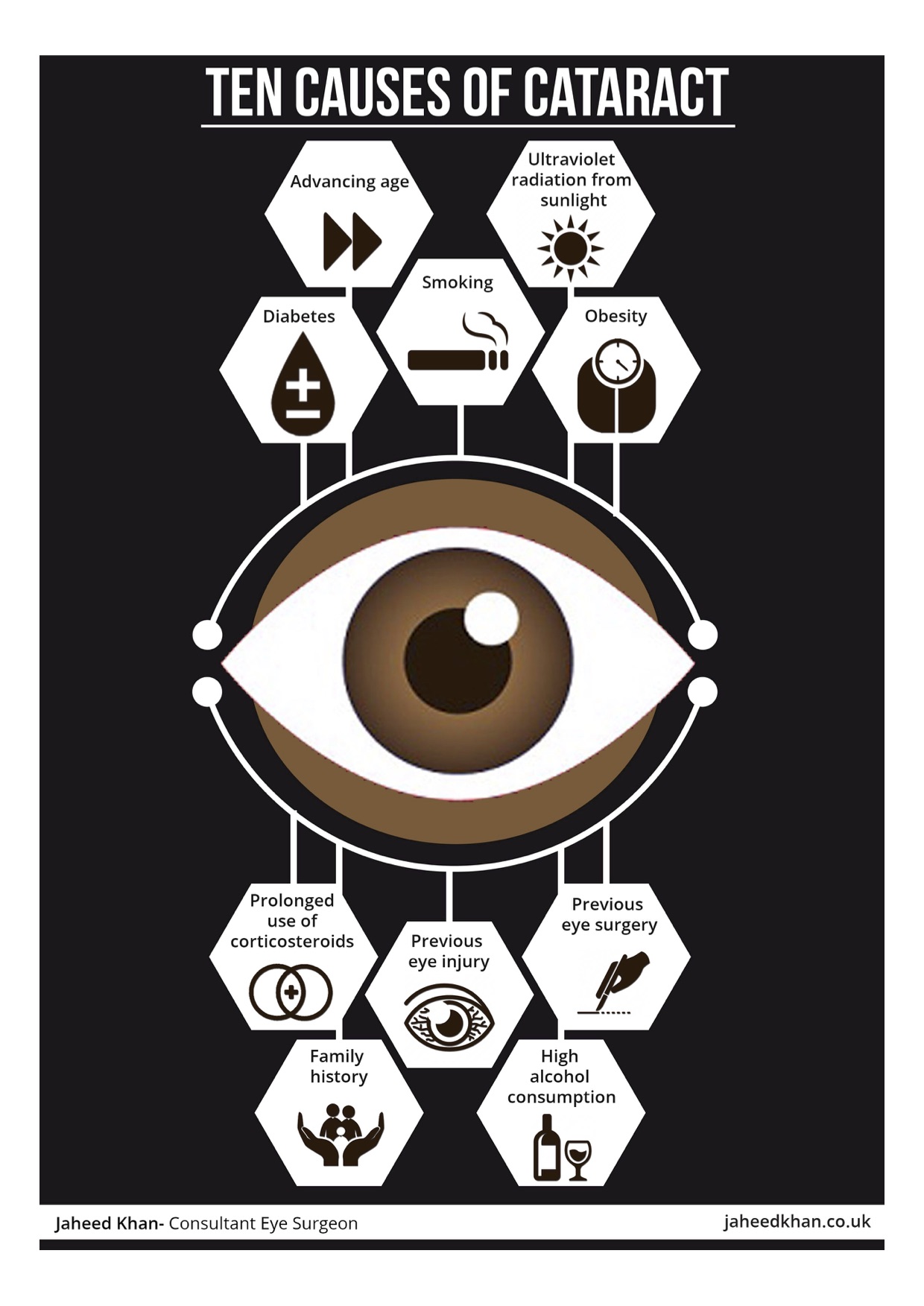
When it pertains to boosting sophisticated cataract surgery end results, artificial intelligence is a game-changer. Think of a scenario where elaborate data evaluation and real-time support could possibly reinvent the field of ophthalmology. The function of AI in cataract surgery goes beyond simple aid; it sets the stage for a brand-new era of precision and tailored client treatment. As you discover the effect of AI in each stage of the surgery, you'll discover just how it shapes the future of cataract surgery in methods you might not have pictured.
AI Applications in Preoperative Planning
When considering AI applications in preoperative preparation for cataract surgical treatment, performance and accuracy are vital elements to boosting surgical end results. By utilizing AI innovation, your surgical team can simplify the planning process, ensuring that dimensions and estimations are accurate and tailored to your certain needs. AI formulas can assess a wide variety of data points from preoperative tests, such as biometry and corneal topography, to produce enhanced surgical strategies with minimal human error.
This sophisticated modern technology not just saves time yet additionally improves the accuracy of measurements, bring about improved intraocular lens choice and positioning. Through AI-assisted preoperative planning, you can anticipate a higher degree of modification in your cataract surgical treatment, tailored to your special eye characteristics. Furthermore, https://www.medicalnewstoday.com/articles/lasik-eye-surgery can help in forecasting potential complications based on individual patient information, allowing your cosmetic surgeon to proactively address any obstacles that might emerge throughout the treatment.
Integrating Lasik With Astigmatism into preoperative preparation ultimately contributes to much better surgical results, giving you with a more customized and efficient cataract surgery experience.
Intraoperative Assistance Utilizing AI
By prolonging the capabilities of artificial intelligence past preoperative preparation, AI innovation can additionally give real-time help during cataract surgical treatment, optimizing surgical accuracy and end results. During the surgery, AI can assess real-time data from imaging tools, such as optical comprehensibility tomography, to aid in making specific lacerations and eliminating the cataract with precision. This real-time assistance can assist cosmetic surgeons readjust their methods to ensure the most effective feasible end results for each patient.
AI formulas integrated right into surgical systems can additionally offer advice on lens choice based upon private patient data, boosting the precision of intraocular lens power estimations. By examining different variables like corneal curvature and axial size in real-time, AI can recommend one of the most appropriate lens power for optimum visual acuity post-surgery. This aid minimizes the margin of error in lens selection, resulting in enhanced aesthetic results for individuals going through cataract surgical procedure.
AI's Effect on Postoperative Treatment
AI's integration into postoperative care processes enhances patient healing and monitoring after cataract surgical procedure, ensuring optimum end results. With AI-powered monitoring systems, your postoperative progression can be very closely tracked, enabling early detection of any kind of difficulties. These systems analyze information points such as visual acuity, intraocular pressure, and inflammation degrees to offer real-time insights to your medical care team.
AI formulas can likewise aid in anticipating prospective postoperative issues based upon your unique health and wellness information and surgical specifics. By https://zenwriting.net/wayne355lizeth/lasik-eye-surgical-procedure-recovery-what-to-anticipate-and-just-how-to -risk aspects early, treatments can be quickly applied, potentially avoiding unfavorable occasions and promoting smoother healings. In addition, AI can customize your postoperative care plan by thinking about factors like age, case history, and lifestyle practices, maximizing your healing trip.
Furthermore, AI's function encompasses enhancing interaction between you and your healthcare providers. Virtual assistants powered by AI can offer support on postoperative treatment directions, drug schedules, and prospective warning signs to watch for, empowering you to take an energetic duty in your healing process. With AI's support, postoperative care becomes more precise, proactive, and customized to your specific demands.
Conclusion
In conclusion, artificial intelligence transforms sophisticated cataract surgical procedure by improving preoperative preparation, giving real-time intraoperative assistance, and boosting postoperative care. With AI's abilities to examine data and predict results, the medical experience is much more efficient and tailored.
Can you picture the possibilities of AI remaining to progress medical outcomes and boost client treatment?
